Tiki Mask Art: A Bold Graphic Asset for Editorial Projects
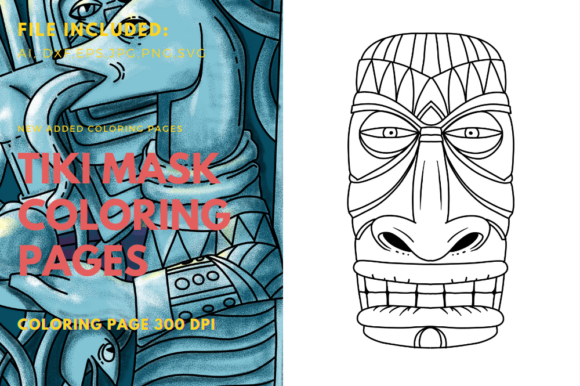
When a new graphic design asset lands in my digital publishing workflow, my first question is always: what editorial mood does this create? Opening the Tiki Mask Polynesian Art Coloring Page file, the immediate impression is one of bold, decorative artistry. This isn't a subtle, minimalist graphic. It's a statement piece. The strong, intricate lines evoke a sense of adventure, culture, and playful creativity. For bloggers and content creators, this sets a tone. It feels artistic, slightly exotic, and inherently engaging. It naturally supports niches focused on travel, cultural education, DIY crafts, party planning, creative hobbies, and lifestyle content with a vibrant, hands-on feel.
From Coloring Page to Professional Blog Graphic: A Publisher’s Transformation
The product description lists uses like scrapbooking and party invites, but from a digital publisher’s view, its potential is far wider. This graphic design asset is a versatile raw material. In my real workflow, I’m constantly needing visuals that are not just decorative but functional—they must guide the reader’s eye, build trust, and encourage clicks. Here’s how this asset translates into professional blog graphics and editorial content.
First, the clear, bold lines offer excellent visual hierarchy. When used as a background or focal point in a website header or blog featured image, it immediately draws attention. Pair it with a strong headline in a sans-serif font, and you create a hero image that promises an engaging, creative read. For affiliate marketers promoting craft supplies or travel guides, this visual can make a standard product list feel like a curated, artistic experience.
Building Clickable Content: Pinterest, Social Media, and Lead Magnets
Performance is key. A graphic’s job is to stop the scroll. The Tiki mask’s distinctive shape is perfect for Pinterest pin design. In a vertical layout, it becomes an anchor. Adding text overlay about “Polynesian Craft Ideas” or “DIY Tiki Party Decor” creates a pin that’s both visually unique and clearly communicative. This clarity boosts click-through potential. Similarly, for social media graphics promoting a new blog post or a digital download, it provides instant category recognition. Readers see it and know the content is about creativity, culture, or hands-on projects.
This asset shines in creating content marketing resources. Imagine turning it into a lead magnet: a “Polynesian Art Digital Coloring Book” or a “Tiki Decor Printable Guide.” The base graphic provides a polished, professional foundation for a digital product. Used on an eBook cover or as an interior accent in a digital guide, it elevates the entire product’s perceived value. For online educators teaching design or culture, it can be a worksheet element. This utility builds reader trust—they receive something that looks expertly made, not hastily assembled.
The Publisher’s Practical Checklist: Where This Asset Works Best
In my experience, not every graphic fits every slot. Here’s my breakdown for deploying this specific asset.
Use it confidently for:
- Hero images and website banners for creative project blogs.
- Article thumbnails and category visuals for craft, travel, or lifestyle sites.
- Pinterest pins and Instagram story graphics where bold visuals win.
- Editorial accents within long-form articles about art or culture.
- Newsletter headers for announcements of new printables or guides.
- Downloadable resources like coloring sheets, party planning templates, or Canva template elements.
- Social media preview images for blog posts, especially on platforms like Facebook.
Exercise Care in These Contexts
While versatile, this bold, intricate pattern requires thoughtful placement. Use it carefully in:
- Small mobile thumbnails where detail may become lost and muddy.
- Text-heavy blog images where the background might compete with readability.
- Low-contrast backgrounds; this design needs clear space or strong color backing.
- Busy layouts; it’s a dominant element, so let it breathe.
- Serious professional niches like corporate finance or medical journals; its playful artistry is a mismatch.
- Websites with a very minimal visual system; it could overwhelm a clean, stark aesthetic.
Essential Publisher Notes Before You Hit Publish
Before I slot any new design asset into a live project, I run a few practical tests. These steps save time and ensure quality.
- Test on desktop and mobile: How does the Tiki mask graphic scale? Does it remain clear on a phone screen?
- Preview as a thumbnail: Open your blog layout CMS. Drop it in as a post thumbnail. Is the subject still recognizable?
- Test with headline text: Overlay various fonts. Try a bold sans-serif, a elegant serif, even a playful script. Check contrast and readability. The intricate lines work best with bold, simple fonts.
- Check file size and performance: For web design, large files slow pages down. Ensure you’ve compressed the image properly for web use.
- Confirm licensing: For use on monetized websites, affiliate pages, or paid digital downloads, always verify the commercial license. This is crucial for small business branding and affiliate marketing visuals.
Ultimately, the Tiki Mask Polynesian Art Coloring Page is more than a simple coloring element. It’s a creative design tool that, when leveraged with editorial intent, can significantly upgrade your content’s visual presentation. It helps build a stronger visual identity for niches rooted in creativity and culture. By integrating it thoughtfully into blog graphics, social media graphics, and digital products, you create a more cohesive, professional, and click-worthy content experience for your audience. That’s the real power of a well-chosen graphic asset in the modern publisher’s toolkit.