Evaluating Halloween Coloring Page - Character 22 for Embroidery
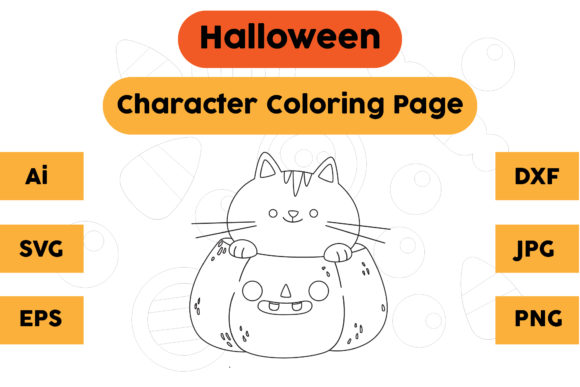
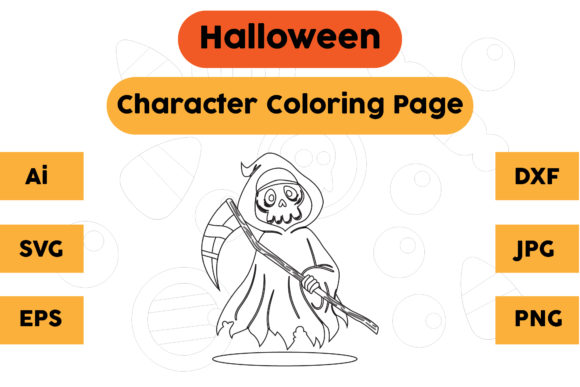
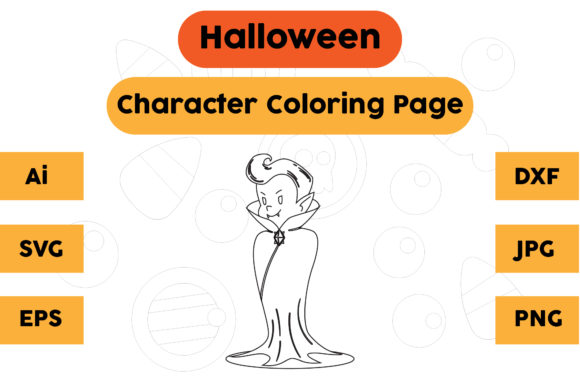
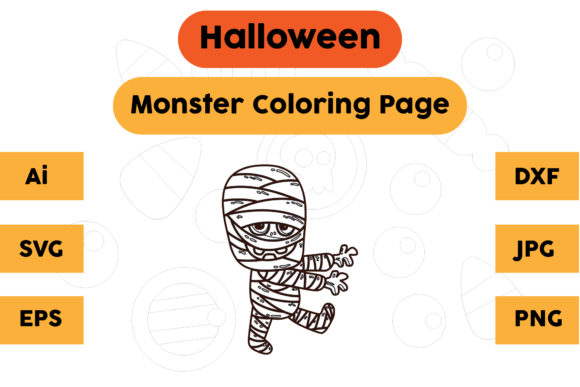
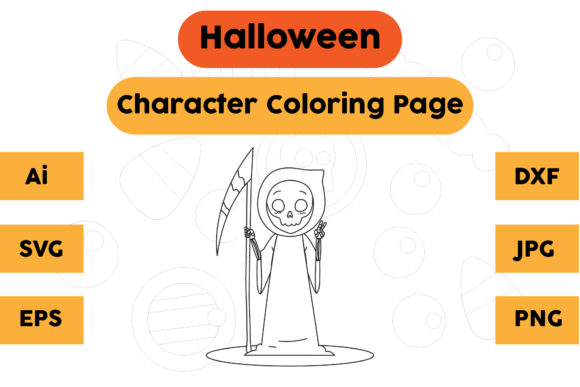
As a designer who stitches products for clients and my own shop, I don’t just look at a digital file—I see it translated into thread and fabric. The so-called “Halloween Coloring Page - Character 22” graphic arrives with a certain promise: it’s a clean, black-and-white outline meant to be filled in. But in the embroidery world, we fill it with stitches, not crayons. My first impression? This is a friendly, slightly spooky character with a lot of potential for a handmade Halloween product line.
The Mood and Shape: Where This Design Naturally Belongs
The character’s shape is bold and graphic, with clear, open spaces between its lines. That’s excellent news for embroidery. It creates a playful, not-too-scary Halloween mood, perfect for family-friendly items. I immediately pictured it on a child’s sweatshirt or a cozy, autumnal pillow cover for a living room. The layout is central and self-contained, which makes it a versatile candidate for a simple, impactful placement on everything from the center of a tote bag to the front of an apron.
Its detail level is thoughtful. There aren’t any overly intricate, hair-thin lines that would vanish or become a muddy mess in satin stitch. This suggests the designer considered usability, even if the original intent was a coloring page. For us in the Graphics category, especially under Coloring Pages Amp, that’s a win. It’s a design that understands its core function: to be a clear template.
From Digital File to Stitched Reality
You’re provided with six file types—AI, EPS, SVG, DXF, JPG, PNG. The canvas size is consistent, which is helpful. For embroidery, the vector files (SVG, EPS, AI, DXF) are your starting point for digitizing. You’ll import them into your embroidery software to create the actual embroidery file, assigning stitch types to those open areas. This isn’t an applique design or a pre-digitized machine file, so remember: you or your digitizer are building the stitch path from this graphic.
Let’s walk through a real scenario. Imagine you’re preparing a batch of embroidered tea towels for a fall craft fair. You choose “Halloween Coloring Page - Character 22” as your motif. You digitize it, using satin stitch for the outline and a lighter fill stitch for any larger interior spaces to control stitch density. On a crisp, white cotton towel, the contrast will be striking. The bold outline ensures the design remains recognizable even from a distance on your sales table.
Performance Across Different Products and Fabrics
This design’s clarity makes it a strong candidate for custom apparel. On a sweatshirt, it would hold up well to the fabric’s texture. For a baby embroidery project on a romper, its friendly character would be a hit, but you’d need to be mindful of hoop size and scale it appropriately for the smaller garment. As an embroidered patch, it would be fantastic—the open areas allow for clean stitching on patch material, and it could easily be applied to caps or bags.
However, this is where practical judgment comes in. On dark fabric, like a black hoodie, you’ll need to plan your thread colors carefully. A simple white or bright orange outline might pop, but any interior fill stitches would need high-contrast colors to be visible. On stretchy fabric like a t-shirt, using proper stabilizer is non-negotiable to keep those clean lines from distorting.
I’d advise caution on very small items or curved surfaces like caps if you try to shrink the design too much. Those open spaces could become too tight for your machine’s stitch path, leading to puckering. Similarly, on a textured fabric like a towel, the fabric texture itself will interact with the stitches; a test run on a scrap is essential.
Where It Elevates Your Product and Business
Using a well-defined graphic like this affects more than just aesthetics. For a small shop product or an Etsy listing, it contributes to customer trust. The finished item looks intentional and professional, not haphazard. It boosts the perceived value of your handmade product. For personalized gifts, such as a monogrammed pillow with this character, it adds a thematic, cohesive charm.
It supports brand consistency if Halloween is part of your seasonal offering. A customer who buys a trick-or-treat bag with this design and sees it again on a kitchen towel recognizes your style. This giftability and recognition are key for creative entrepreneurs. In commercial embroidery projects, for instance branding a small boutique’s holiday merchandise, such a clear design ensures replication across many items is consistent and high-quality.
Practical Notes Before You Hoop the Fabric
First, always test the design on scrap fabric first. Use the same material and stabilizer you plan for the final product. This is your only way to review stitch density and inspect small details.
Check thread color contrast against your background fabric. Create a simple black and white mockup on your computer to see the pure shape, then plan your palette.
Since the source file is a graphic, you must confirm licensing before selling finished items or digital products. The description doesn’t specify terms, so you need to verify if your use—whether for personal and commercial projects—is permitted. This is crucial for digital product sellers creating printable mockups or selling the digitized embroidery file itself.
Finally, consider the product’s life. For items like baby clothes or aprons that need frequent washing, a robust stitch plan with secure outlines will ensure the design lasts. “Halloween Coloring Page - Character 22” has the structural integrity to handle that, provided your digitizing and stitch choices are sound.
In the end, this graphic is a solid foundation. It’s not an embroidery file yet, but it’s a promising blueprint. It invites you to add the texture, color, and craft that turns a digital asset into a physical, cherished finished product. For the maker looking to add a touch of Halloween spirit to their work, it’s a character worth stitching.