A Designer's Look at Traveling Unicorns Coloring Page 6
When you're sourcing designs for embroidery projects, it's not just about finding something cute. You need to assess whether the graphic has the bones to translate well into thread and stitches, whether it will elevate a finished product, and whether it resonates with your audience. Today, I'm looking at Traveling Unicorns - Coloring Page 6 from that exact perspective.
The First Stitch Impression
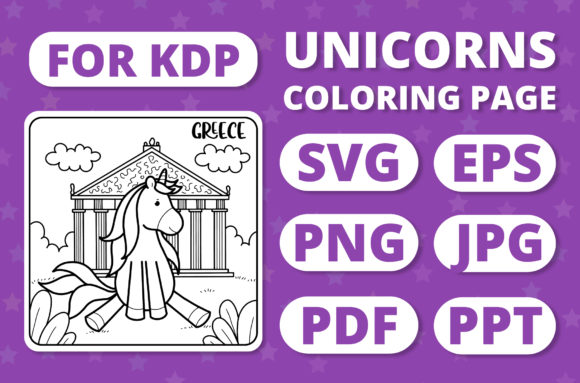
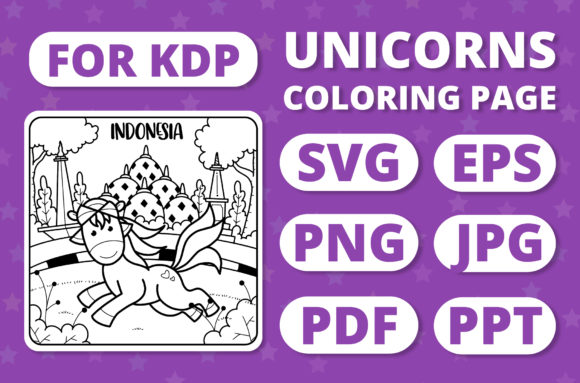
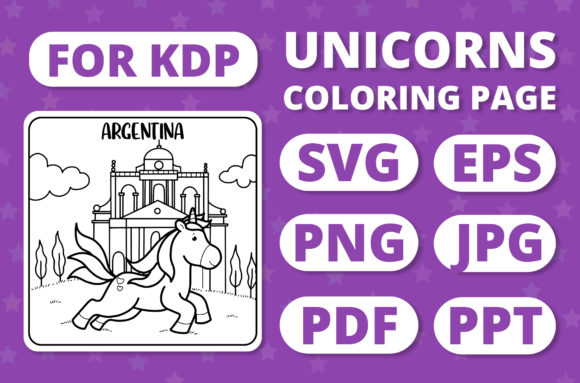
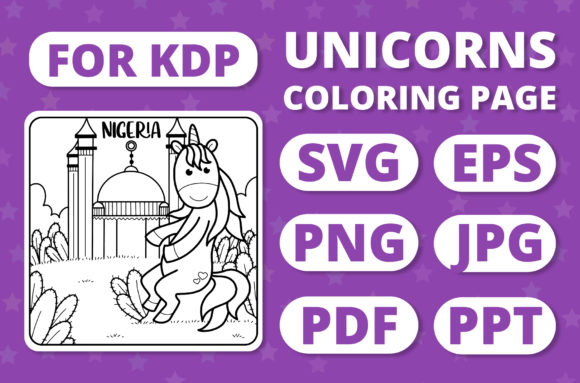
Opening the design, my immediate thought was, "This has a gentle, storybook whimsy." It's not a hyper-realistic unicorn; it's a stylized, friendly character meant for coloring. That's a huge advantage for embroidery. The lines are clear, the shapes are distinct, and the overall layout is balanced within its square format. The personality is playful and approachable—perfect for projects aimed at children, gift-givers, or anyone wanting a touch of nostalgic charm. This isn't a design that shouts; it smiles.
This visual mood naturally points it toward certain embroidery projects. Think of a custom baby blanket, a personalized pillow cover for a child's room, or a whimsical kitchen towel in a boutique setting. The theme suggests travel and adventure, which could translate wonderfully into a tote bag for a young traveler or a patch on a backpack. The level of detail is manageable; it doesn't look overwhelmingly dense, which is a relief when planning stitch time and thread consumption.
From Digital File to Stitched Reality
In real-life embroidery situations, this design's clarity is its strongest asset. The included SVG and EPS files are particularly valuable here, as they allow for clean scaling without losing definition. For a standard sweatshirt or t-shirt application, you could scale it to a nice central focal point without fear of tiny details blurring. I envision it on a light-colored cotton tee, with the mane and tail done in a soft satin stitch, and the outline and finer details in a crisp running stitch.
For handmade products like embroidered patches, the distinct shapes make it a candidate for a clean applique design, where you could use a fun patterned fabric for the unicorn's body. On a tote bag, it would become a charming, durable feature. As a holiday gift—perhaps a monogrammed pillow with the unicorn alongside a name—it feels personal and special. For an Etsy seller or small business, this design lends itself to a cohesive line: you could offer the unicorn on aprons, tea towels, and nursery decor prints, creating a recognizable brand touch.
Where This Design Demands a Second Thought
While versatile, Traveling Unicorns - Coloring Page 6 requires careful consideration in a few key scenarios. On very small hoop sizes, some of the finer lines might become too delicate, risking clarity. Stitching it onto textured fabrics like certain sweaters or dense blankets could soften those clean lines, so a sturdy stabilizer choice is crucial.
Dark fabric backgrounds present the classic challenge: you'll need to think about thread color contrast thoroughly to ensure the design pops, not disappears. The square format and potential for filled areas (like the unicorn's body) mean that on curved surfaces like caps, you might need to test the layout to avoid distortion. And for products destined for frequent washing—like baby clothes or kitchen items—ensuring the stitch density is secure and not overly loose is a must for longevity.
The Impact on Your Finished Product
Using a design like this isn't just about decoration; it's about communication. When stitched well, this unicorn elevates visual appeal through its friendly aesthetic. The stitching clarity translates directly into perceived product value—a clean, professional embroidery job makes customers trust the craftsmanship. For a handmade presentation, it adds a unique, artistic layer that generic prints can't match.
Its giftability is high because it feels personal and joyful. For a craft business, it can aid in brand consistency if you curate a collection of similar whimsical designs. In a marketplace like Etsy or at a craft fair, it has strong recognition potential; it's a memorable, stand-alone graphic that can draw buyer engagement. Ultimately, it supports professionalism by being a well-defined, usable asset that you can execute reliably across different products.
Practical Notes Before You Hoop the Fabric
Before you commit this design to a client project or your next batch of merchandise, run through a few practical checks. Always test it on scrap fabric first—preferably the same material you plan to use for the final product. This reveals how the lines translate and whether any areas need stitch adjustment.
Review the potential stitch density, especially if you plan to use fill stitches for larger areas. Confirm your hoop size can accommodate the design at your desired scale without forcing awkward placement. Inspect the small details in your test; sometimes a thin line in the digital file needs a slight adjustment in thread weight to remain visible after stitching.
It's wise to test the design in both black and white mockups to gauge its strength on light and dark backgrounds. Using the proper stabilizer for your fabric type is non-negotiable to maintain that clean shape. Crucially, since this design falls under the category of Graphics and is marketed for activity books, you must confirm the licensing terms before selling any finished items or digital products derived from it. The file package is generous with PNG, JPG, PDF, and even a bonus AI file, but the usage rights are the most important detail to verify.
A Natural Fit for Creative Hands
In my judgment, Traveling Unicorns - Coloring Page 6 is a thoughtfully simple graphic that holds real potential for embroidery. Its strength lies in its clear, friendly composition, making it a reliable choice for personalized gifts, custom apparel, and small shop merchandise where a touch of warmth and whimsy is the goal. Approach it with a tester's mindset, respect the fabric and licensing context, and it can become a lovely, stitched reality in your next embroidery project.